Editorial note: Published by A-Z Dental Care Directory, an independent Arizona directory. This guide is for general information only — not medical or dental advice and not a root canal protocol. Confirm personal decisions with a licensed dental professional. See our Disclaimer.
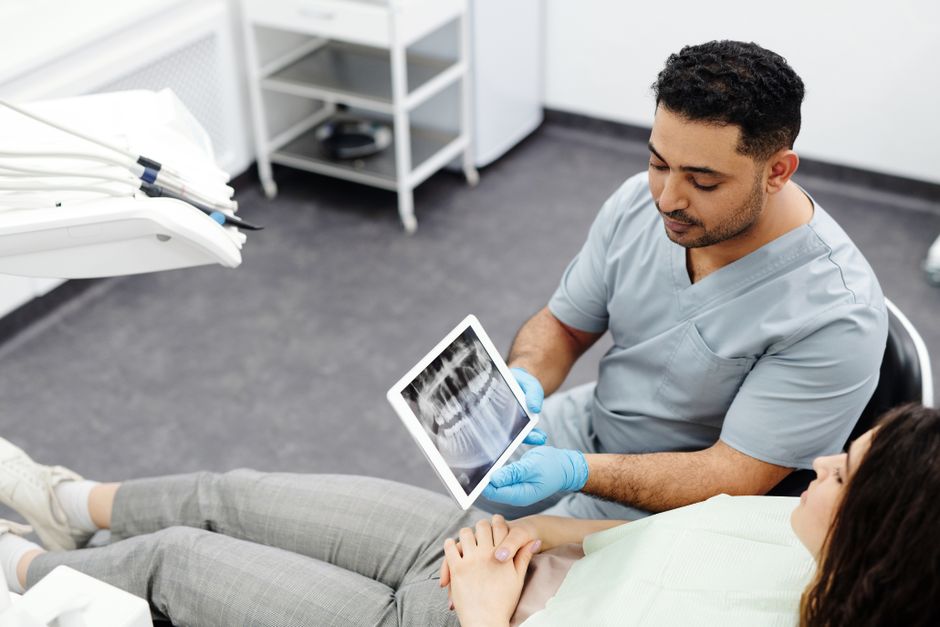
People looking up root canal referral questions usually want clarity when a general office says another clinician should evaluate a tooth. A referral is a handoff between two offices — the dentist who saw you first and an endodontist who focuses on the inside of the tooth. Use this checklist for that handoff — not for deciding whether endodontic treatment is right for you. We do not describe how root canals are performed.
When a referral usually happens
Offices refer to an endodontist for several common reasons: a tooth that may need a root canal, a complex or unusual root structure, a previous root canal that needs a re-treatment, or a case where the general dentist prefers a specialist’s imaging and experience. In Arizona, referral patterns vary by practice — some offices handle root canals in-house, others send most cases out. Asking who does the work at the referring office is the first step to understanding what the handoff means.
What to ask when an office refers you
- Why are you referring me for an endodontic evaluation, and what happens if I wait?
- Which X-rays or records will you send to the endodontist?
- Will the referring office restore the tooth afterward, or is that a separate plan?
- Who answers billing questions for the referral visit vs any treatment the specialist proposes?
- Does the office have a preferred endodontist, or can you choose from a short list?
What to ask the endodontic office
- What does the consult include, and when do you give a written estimate?
- If treatment is recommended, how many visits do you usually schedule for similar cases?
- How do you handle insurance language and what you say is not covered?
- If I want a second opinion, how do I get a copy of records?
- Do you coordinate with my general dentist for the final restoration, and how does that handoff work?
How to compare endodontic offices
Because endodontics is a referral-based specialty, most patients arrive with little basis for comparison. A few practical signals help:
- Consult vs treatment as separate steps. Ask whether the first visit is a consult only, and what a written treatment plan would include.
- Imaging approach. Some offices use 3-D imaging for complex cases; ask whether it is needed for your situation and what it costs.
- Communication with your dentist. A smooth referral includes records transfer both ways — before the consult and after treatment.
- Who actually performs the work. Confirm whether you will see the endodontist or an associate, and how estimates are presented in writing.
What to expect at an endodontic consult
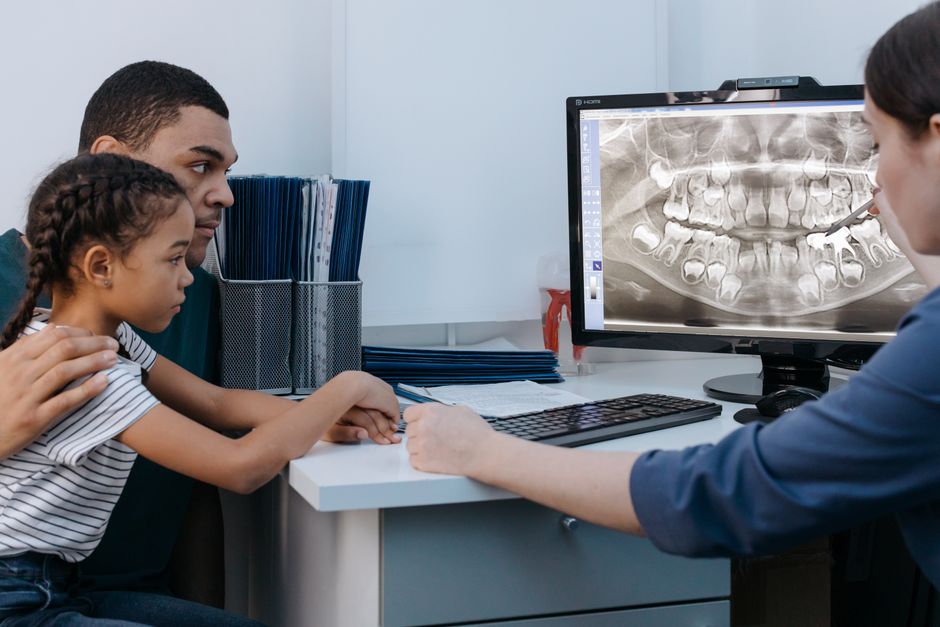
A consult is your chance to see how the office explains its plan. Expect the specialist to review the records your dentist sent, possibly take new images, and walk through whether endodontic treatment is recommended — or whether observation or another path fits better. A clear office will give you a written estimate before any work starts and will explain which parts are billed by the office versus by the referring dentist.
What a written estimate should include
A written estimate turns vague pricing language into something you can compare. Before the consult ends, ask whether the estimate lists the office visit, any imaging, the endodontic procedure if recommended, and the restoration by your general dentist as separate line items. Also ask which items are estimates and which are fixed, and how the office handles a case that turns out more complex than the initial plan. In our experience, offices that put this in writing are also the ones that answer insurance questions clearly.
Red flags to listen for
- A promise of guaranteed results or success-rate claims without clinical context
- Pressure to schedule treatment during the same visit as the consult
- Unclear answers about who restores the tooth after the endodontic work
- Vague billing language or reluctance to put the estimate in writing
Scheduling logistics for root canal referral questions
Practical root canal referral questions clarify who starts care, what imaging travels with you, and how estimates are split between the general dentist and the endodontic office. Ask whether the referral is urgent or elective timing, how soon specialists typically book in your Arizona metro, and whether the general office provides a written reason for referral plus recent radiographs. Confirm who manages temporary restorations before a permanent crown if that path is discussed later.
Ask both offices how insurance is billed when care is split, who answers benefit questions, and whether you will receive separate written estimates. Clarify after-hours contacts if symptoms change while you wait for the specialist appointment. This page does not diagnose tooth pain or prescribe treatment sequences — it helps you organize logistics for licensed clinicians.
What to bring to a specialist visit after referral
- Referral note, recent radiographs or a patient-portal download, and medication list
- Insurance cards and questions about separate billing from each office
- A short symptom timeline written in your own words for clearer communication
- Transportation notes if you may need a driver after certain visits — ask the office policy
- Contact for the referring dentist if the specialist needs clarifying records the same day
Comparing referral paths without ranking specialists
Root canal referral questions should cover wait times, who places any temporary restoration, and how communication returns to your general dentist. Watch for pressure to skip a written estimate or to decide permanent restorative work before specialist findings are clear. Arizona patients often compare specialist corridors by commute and insurance; use the same checklist for each office.
Browse the Arizona directory, then pair with oral surgery referral questions if surgical paths are also discussed. Confirm NAP before you drive to a new specialty suite.
Frequently asked questions
What root canal referral questions should I ask about imaging?
Ask whether existing radiographs will be sent digitally, whether the specialist expects new imaging, and how each imaging fee appears on estimates. Duplicate imaging without a clear reason is worth clarifying before you arrive.
Do I need a referral from my dentist to see an endodontist?
Not always — some endodontic offices accept direct appointments. A referral is still useful because it brings your records and imaging, so the consult starts further along.
Will my insurance cover the endodontic consult?
Coverage varies by plan. Ask the office to run a benefits check before the visit and to confirm what the consult is billed as.
What happens to my tooth between the referral and the consult?
The referring dentist should tell you whether anything is urgent and what to do if pain or swelling appears before the appointment.
What this page will not do
We do not publish step-by-step root canal instructions, success-rate promises, or DIY pain tips. If your dentist also mentioned oral surgery as another path, read oral surgery referral questions next — still orientation only.
Arizona directory next steps
Use the Arizona directory to shortlist offices, then confirm address and phone on the practice website.
Related guides
- Oral surgery: questions when your dentist refers you
- Dental emergency: who to call and what to ask
- Arizona directory
Disclaimer: We do not perform endodontic treatment or medical advice. Talk with a licensed dental professional about your situation. Full disclaimer · Contacts.